The Benefits Of Suspended Ducting In Commercial And Industrial Settings
When it comes to the ventilation and air conditioning systems in commercial and industrial settings, suspended ducting plays a crucial role. This system involves running HVAC ducts overhead instead of underneath floors or above ceilings. This design offers many benefits that are worth considering for any business looking to improve the efficiency and performance of their HVAC system. In this article, we will explore the advantages of suspended ducting, also known as “suspended ducting“, and why it is a popular choice for many businesses.
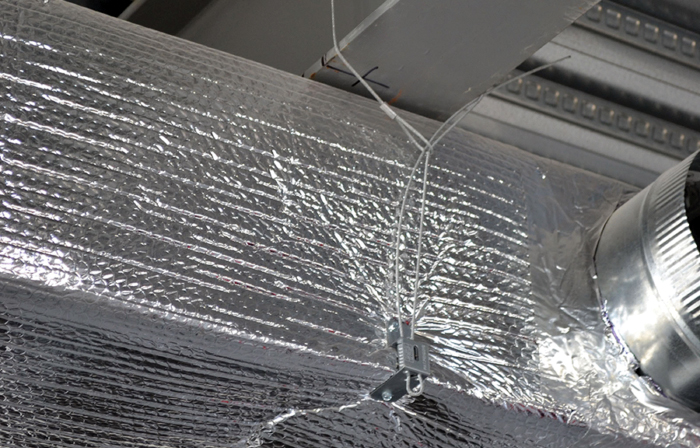
One of the main advantages of suspended ducting is the improved airflow efficiency it provides. By running the ducts overhead, the air can flow more freely without any obstructions, such as support beams or furniture. This allows for better circulation of air throughout the space, leading to more even temperature distribution and improved comfort for occupants. Additionally, suspended ducting helps to minimize the risk of dust and debris getting trapped in the ductwork, which can lead to poor indoor air quality and health issues for building occupants.
Another benefit of suspended ducting is the ease of access for maintenance and repairs. Because the ducts are installed overhead, technicians can easily reach them for inspections, cleaning, and repairs without having to disrupt the occupants or damage the building structure. This not only saves time and money but also ensures that the HVAC system remains in optimal condition for longer periods.
Suspended ducting is also a space-saving solution for buildings with limited ceiling height or floor space. By running the ductwork overhead, businesses can free up valuable square footage that would otherwise be occupied by bulky ducts and equipment. This can be especially beneficial in retrofitting older buildings or in settings where every inch of space matters, such as retail stores or restaurants.
Furthermore, suspended ducting offers a more aesthetically pleasing design compared to exposed ductwork systems. With the ducts hidden overhead, the ceiling remains clean and unobstructed, creating a more streamlined and professional look. This can be important for businesses that prioritize the visual appeal of their space or want to maintain a certain brand image.
In addition to the practical benefits, suspended ducting can also contribute to energy savings and sustainability efforts. By improving the airflow efficiency, businesses can reduce the workload on their HVAC systems, leading to lower energy consumption and operating costs. This can have a significant impact on the overall carbon footprint of the building and help businesses meet their environmental goals.
When considering suspended ducting for a commercial or industrial setting, it is important to work with experienced professionals who understand the nuances of HVAC design and installation. Proper planning and execution are essential to ensure that the system performs efficiently and meets the specific needs of the building and its occupants. By investing in high-quality materials and expert craftsmanship, businesses can enjoy the full range of benefits that suspended ducting has to offer.
In conclusion, suspended ducting is a versatile and efficient solution for improving the performance of HVAC systems in commercial and industrial settings. From improved airflow efficiency to space-saving design and energy savings, there are many advantages to choosing this type of ductwork for your business. By working with experienced professionals and investing in a well-designed system, businesses can enjoy enhanced comfort, performance, and sustainability for years to come.